

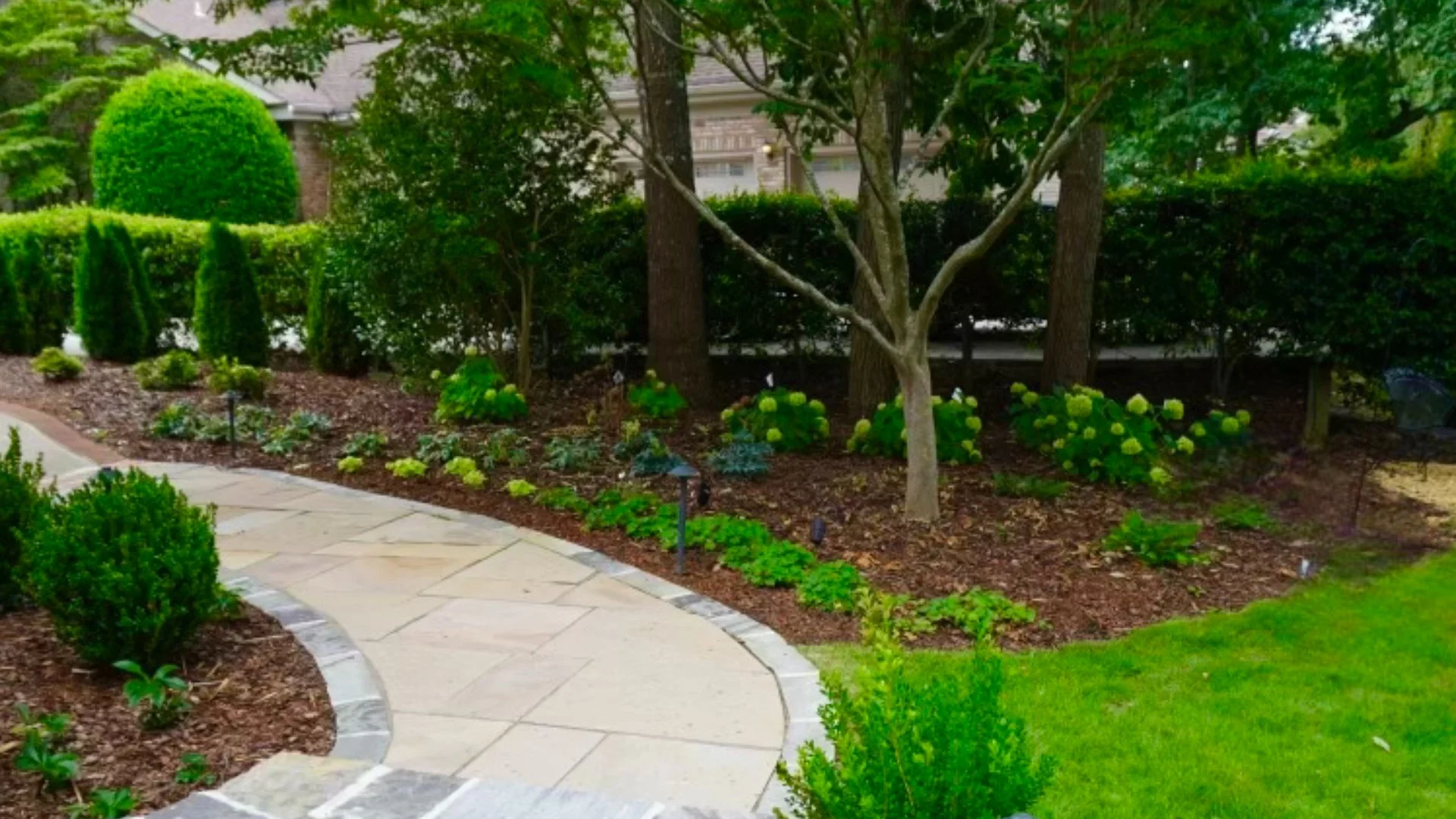
Mulch and rock are popular ground covers with similar benefits, including weed prevention, soil erosion control, temperature regulation, and moisture retention. The key difference lies in decomposition: mulch breaks down over time, enriching the soil with nutrients but requiring regular replenishment. Rock, however, is more permanent and low-maintenance, holding its appearance for longer but lacking in nutrient contribution. Choosing between them for your landscape in Alabama or Tennessee depends on personal preference and landscape needs. Mulch offers a natural aesthetic and supports plant growth, while rock provides a durable, polished look ideal for modern settings.
Mulch and rock ground covers both offer similar benefits.
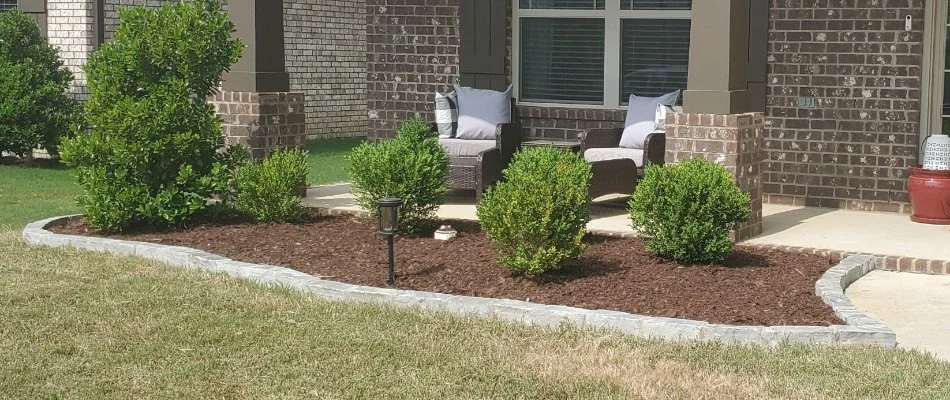
When it comes to choosing a ground cover for landscape beds, you can't go wrong with either mulch or rock. Both of these ground covers offer similar benefits, including:
- Weed Prevention: Acting as a formidable barrier, both mulch and rock help reduce weed growth significantly. By blocking sunlight, they inhibit the germination and growth of weed seeds, ensuring your plants can thrive without competition.
- Soil Erosion Control: Mulch and rock help stabilize the soil, anchoring it in place and preventing erosion caused by wind and rain. This not only maintains the integrity of your landscape but also protects plant roots and prevents the loss of valuable topsoil.
- Soil Temperature Regulation: Both materials are effective in regulating soil temperature. They act as insulators, protecting plant roots from temperature extremes—keeping the soil cooler in the heat of summer and warmer during cold spells.
- Moisture Retention: Mulch and rock also excel in retaining soil moisture. By reducing water evaporation, they ensure your plants have consistent access to the moisture they need, reducing the frequency of watering. This not only saves water and effort but also supports healthier, more resilient plant growth.
The main difference between mulch and rock is that mulch decomposes while rock doesn't.
The primary distinction between mulch and rock is decomposition. Mulch decomposes over time as it is typically derived from organic materials like bark or wood chips. This process enriches the soil with valuable nutrients, enhancing plant health. However, it also means that mulch needs to be replenished regularly to maintain its effectiveness and appearance.
On the other hand, rock is a more permanent solution. It doesn't decompose, meaning it requires less frequent replenishment. Rocks maintain their appearance over time, only needing replacement if they start to look worn or if their color fades. This durability makes rock an attractive option for those looking for a low-maintenance solution. However, the lack of nutrient release means that additional soil amendments may be needed to support plant health.
Which ground cover option is better between mulch and rock?
Deciding between mulch and rock depends on personal preference and landscape needs. Mulch enriches the soil, supporting plant growth with a soft, natural aesthetic suited for various garden styles. Although it requires regular replenishment, this offers an opportunity to refresh garden beds.
On the other hand, rock provides a long-lasting, low-maintenance solution with a clean, polished look ideal for modern landscapes. Its durability makes it less prone to displacement, perfect for areas needing erosion control. Ultimately, choose the option that aligns with your aesthetic and functional goals, or consider combining both to enjoy their unique benefits.

Comments (0)
Thanks for your comment!
Thanks for your feedback! Your comments have been successfully submitted! Please note, all comments require admin approval prior to display.
Error submitting comment!
There is a problem with your comment, please see below and try again.